

Top 9 Aligned Alternatives and Deal Room Software Competitors
- 11 Min read
Is AI democratizing the development scene, or creating a forest without any reliable all-in-one tree? Or, maybe we’re just missing the tallest and widest tree among many look-a-likes. Lovable fits the story’s mold as another full-stack AI development platform for building, iterating, and developing web apps using natural language. It promises real code, security, and enterprise-level governance.
Stats support some of the solution provider’s promises. Lovable surpassed 2.3 million users by the start of 2026, with 100,00 projects monthly being done on the platform. This solution leveraged the popularity of vibe coding platforms like Replit, but it has some shortcomings.
While I did use Lovable for rapid prototyping, I came across serious limitations. The lack of robust backends and the absence of professional client management reinforced my dedication to developing FuseBase. Finding things you miss in great products can drive you to build the best version, so I focused on a production-grade backend, advanced collaboration, and a dedication to client management through portals.
The AI vibe code landscape is crowded, and I wanted to make a representative list of top Lovable alternatives in 2026. All of these solutions have something going for them. Can you find a master tree in the wild AI forest depends on what you need?
TL;DR – Top Replit Alternatives
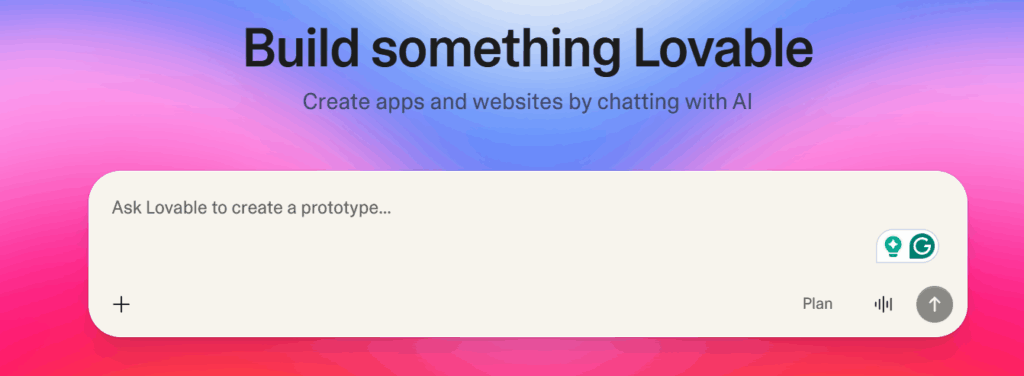
The company promotes itself as an AI website builder, and the homepage delivers on that promotion with numerous templates available. Though Lovable goes beyond building websites. It’s an AI-first application builder for web apps that uses natural language prompts through a simple, user-friendly interface.
The focus is on speed and simplicity, so if you need a SaaS dashboard with user authentication and a billing system, Lovable can quickly generate the front-end structure, user interface components, and initial logic. While you can get quick results, they are somewhat limited. The main issues are the built-in backend infrastructure, fewer collaboration layers than knowledge-first platforms, and less focus on enterprise-grade scalability.
While you can build fast, it’s not a solution for production complexity, governance, or long-term maintenance. So, it looks like Lovable isn’t exactly the Erdtree in the Lands Between, but it does have some appeal and usefulness. There are some other solutions to the vibe coding trend that could stand taller in our fictional forest.
| Solution | Pricing | Trial | Top features | Best for |
| FuseBase | Value-Based / Contact Sales | A free trial is available | Production-level backend, AI Agents, client portals, BYO AI providers, IDE/CLI integrations | Teams shipping production-ready AI-built apps |
| Replit | Starts at $20/month | Free tier | Cloud IDE, Replit Agent 3, built-in full-stack infrastructure, hosted runtimes, 30+ built-in connectors | Developers and learners building and deploying quickly |
| v0 by Vercel | Starts at $20/month | Free tier | AI-generated UI components, React/Next.js scaffolding, fast UI iterations, seamless Vercel deployment | Frontend developers shipping modern UI fast |
| Zite | Starts at $15/month | Free tier | AI-powered internal tools, database integrations, automation workflows, visual workflow and editing, and external integrations | Ops teams building internal apps |
| Cursor | Starts at $20/month | Free tier | AI Agents, AI-native IDE, contextual code generation, intelligent refactoring | Developers who want AI embedded into editor |
| Bolt.new | Starts at $20/month | Free tier | Full-stack generation in browser, instant preview, rapid iterations, production ready integrratins | Founders validating ideas fast |
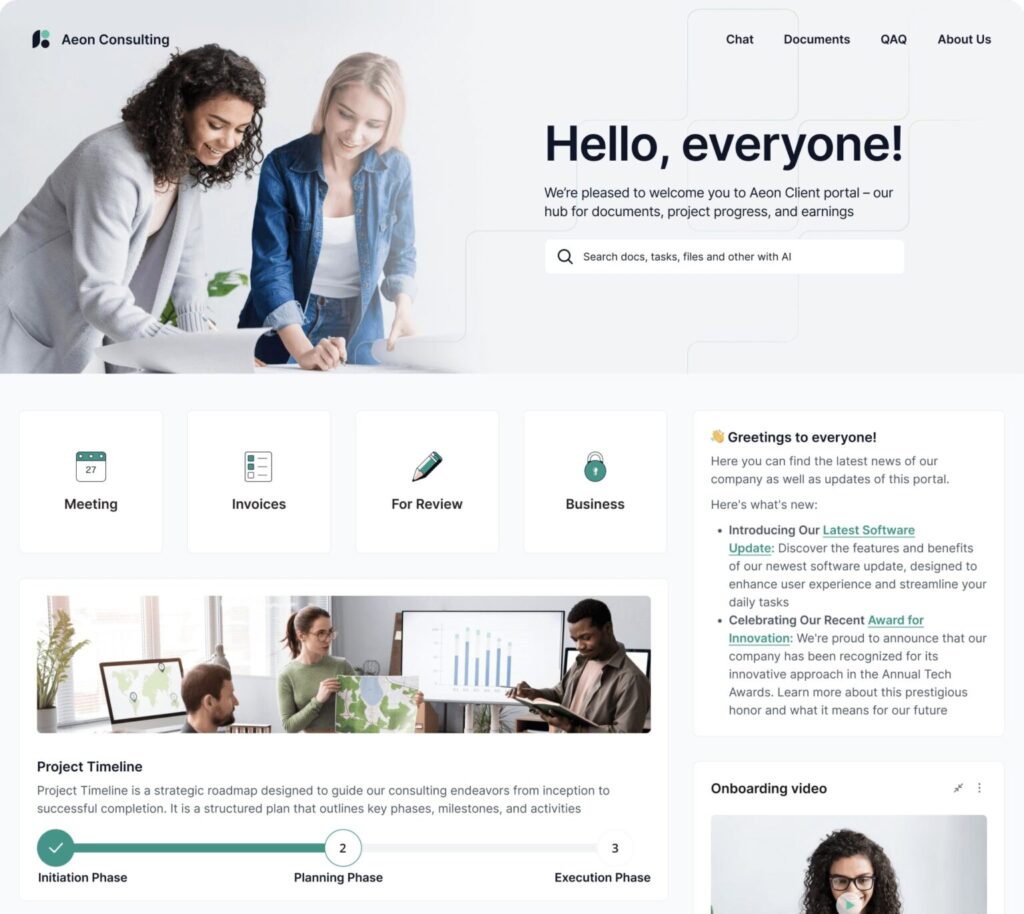
Lovable can help you generate an app, and FuseBase takes it up a few levels and enables you to run it in the real world with a production-ready backend for vibe coding. It combines AI-powered natural language coding with scalable backend infrastructure, AI Agents, and client portals. Instead of initial creation, client connections and team collaboration create a more comprehensive development environment, and grant you full control over AI costs.
Unlike some other vibe coding solutions, FuseBase is not locked on a single AI provider, and it allows you to plug in your own API keys with direct control over margins and token usage. You can integrate with popular IDEs via CLI and MCP-level integration, so you can use your preferred environment and rely on FuseBase for the production backend. Branded portals for clients elevate FuseBase as a viable choice for agencies.
Pros:
Cons:
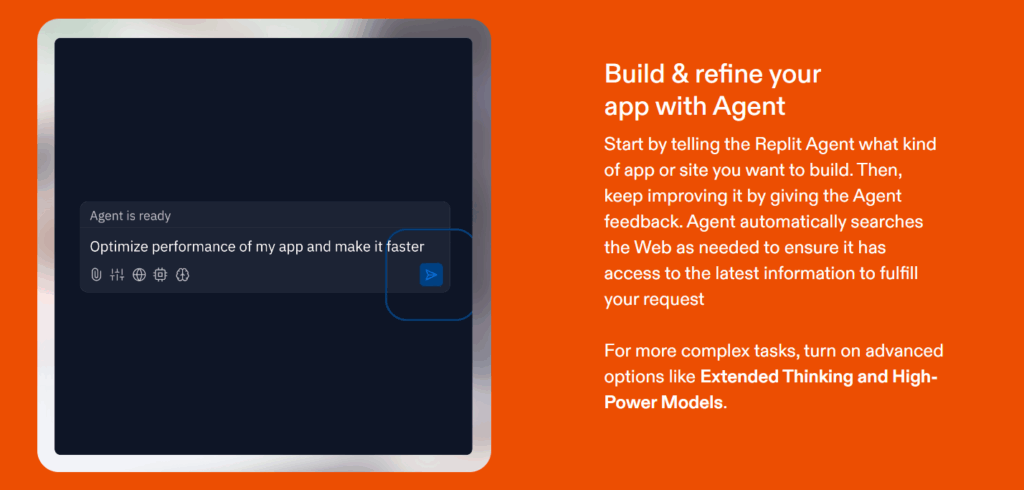
Replit is among the more popular vibe coding solutions derived from a learning tool. It became a robust application builder and a comprehensive cloud-based IDE. You can spin up coding environments instantly in the browser. Replit supports real-time collaboration, and you can deploy directly from the same interface. The platform supports more than 50 languages, and you can code, host, and manage databases simultaneously within the tab.
If you want more manual control, Replit offers that kind of flexibility. However, its Autonomous agent can plan, code, and test entire applications from scratch. You do still have full access to runtime, console and deployment controls.
Pros:
Cons:

Vercel’s v0 started as a simple UI generator and has now grown into a full-stack platform fully optimized for the Next.js ecosystem. You can generate React components with natural language prompts and deploy them in a Next.js app that is hosted on Vercel.
With its visual design mode, you can edit UI elements visually and see the React code update in real-time. v0 is considered top-tier for generating modern, clean user interfaces. It is best for developers who want to accelerate design and component creation.
Pros:
Cons:
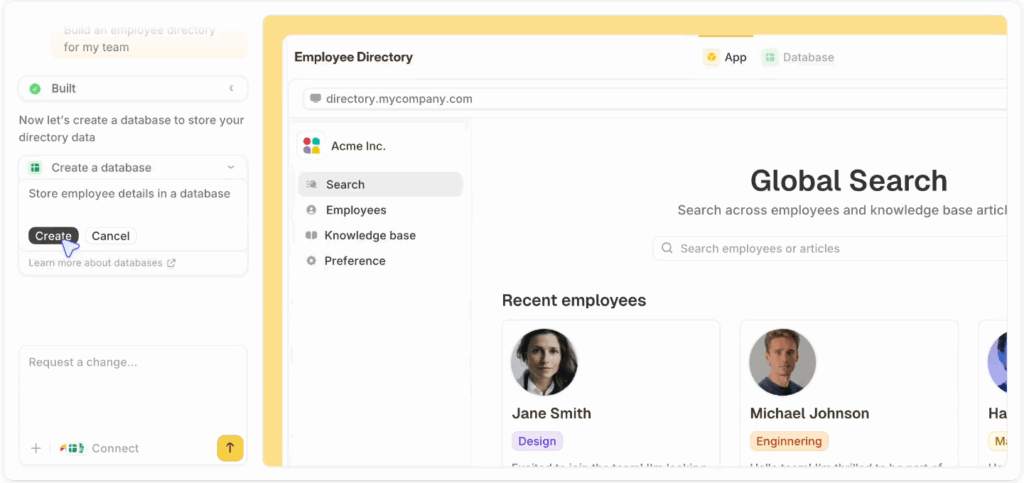
Like many other code-vibing tools, Zite has a simple interface and welcomes users with a prompt area in the header of its homepage. The platform focuses on creating production-ready business software and internal tools. Using AI prompts, you can connect to databases, build simple dashboards, and create automated processes.
Zite has a no-code relational database builder. It’s suitable for operational teams or startups that need a quick internal dashboard or tracking system.
Pros:
Cons:
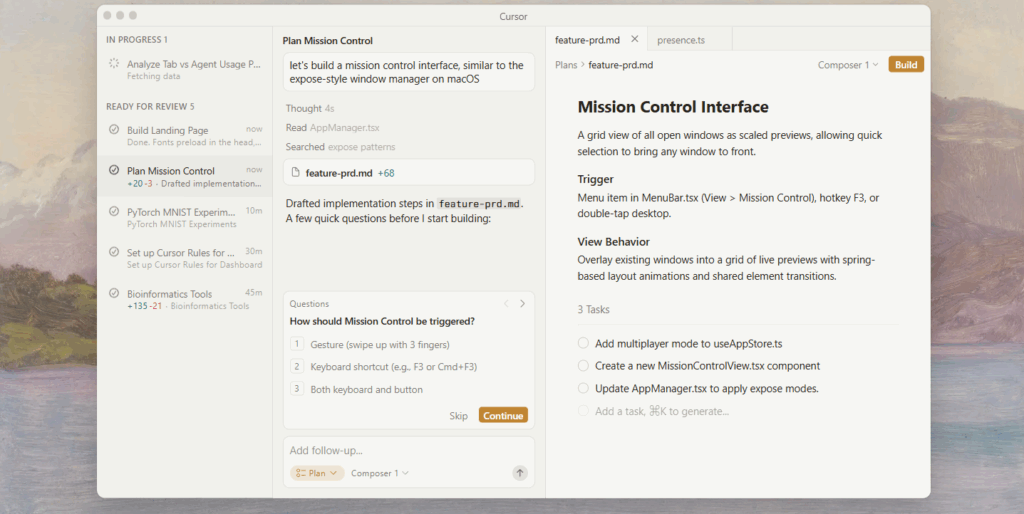
Unlike platforms that allow creating entire apps in a natural language editor, Cursor is an AI-enhanced code editor you can integrate deeply into your development workflow. It will index your local codebase and provide high-context suggestions, refactoring and codebase-aware assistance.
Cursor runs on your machine, so you will have full control over your code privacy. I would describe Cursor as a natural extension of VS Code.
Pros:
Cons:
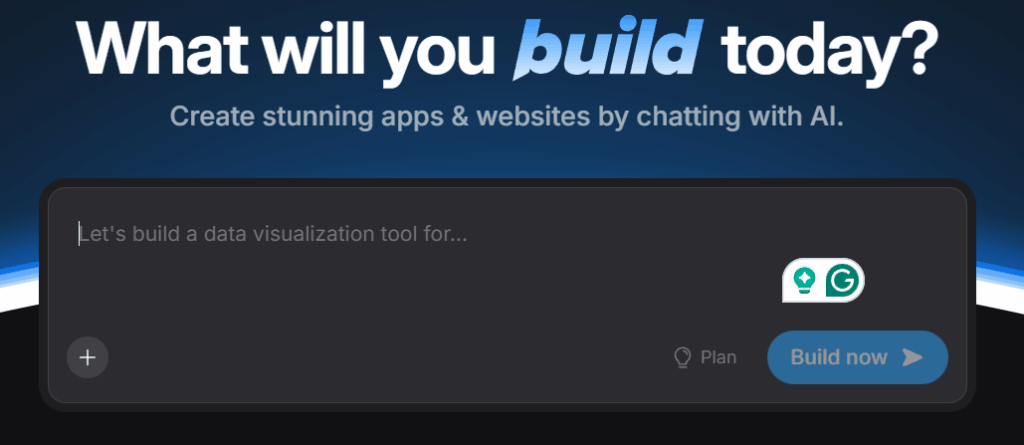
The clue is in its name, as Bolt focuses on speed. The platform uses web container technology to run a full Node.js environment in your browser. You can provide a prompt, and Bolt will generate a runnable full-stack application in the browser. Bolt is arguably the fastest zero-setup tool for turning an idea into a live, shareable link.
With full-stack browser execution and autonomous debugging, Bolt is best for fast idea validation, and founders who want to test a concept can use it without configuring environments.
Pros:
Cons:
Lovable is one of the AI-powered builders of a new generation that can remove friction from app creation. However, you might soon realize that generating an app is easy, but running it reliably is more challenging. In 2026, the best tool depends on your development stage. Lovable is great for the initial spark, and so is Bolt, but in a slightly different fashion. Replit is a more robust cloud experimenter.
If you need to transition from a prototype to a revenue-generating business system with an integrated client portal and enhanced cost control, FuseBase is the production-ready alternative.
Try FuseBase for free if you need professional AI coding assistance with integrated client solutions.
Found it useful? Share the article with your community
Get weekly tips and insights on how to grow your business